
Treaty Kihci-Anishinabe kihtehayah Ąłnedhe Council
The Treaty Kihci-Anishinabe Ąłnedhe kihtehayah Council meets 4 times per year and advises on all research conducted by the OTC and also guides the work of the office as a whole.
The Treaty Kihci-Anishinabe kihtehayah Ąłnedhe Council is funded under the Council of Library and Information Resources (CLIR) and developing Research Ethics and Protocols Guidelines to define how we share archival resources and Treaty Oral Histories. The kihtehayah and youth selected by the Treaty Commissioner come from all Treaty areas of Saskatchewan.
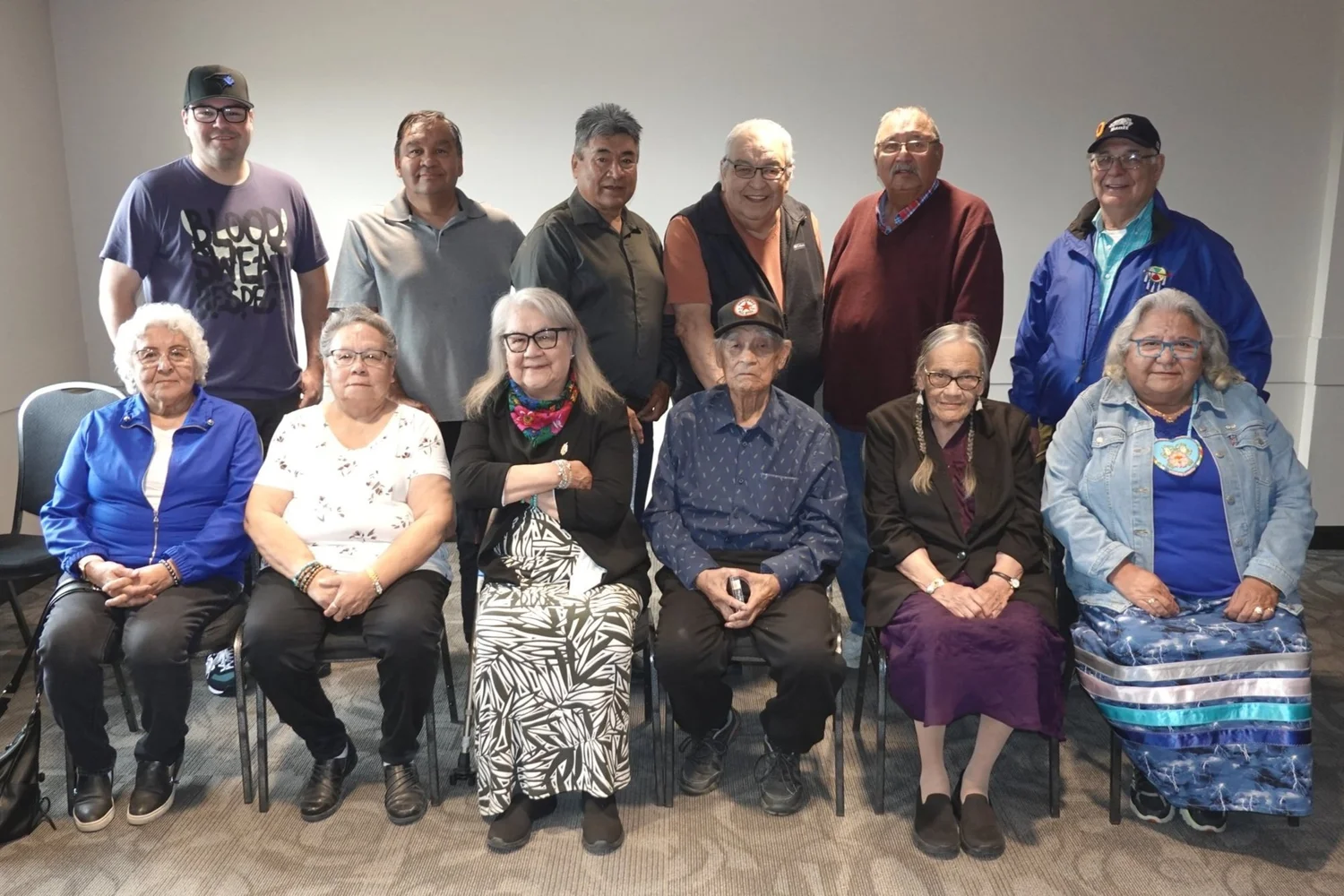
Elders Advisory Council

Gladys Wapass-Greyeyes
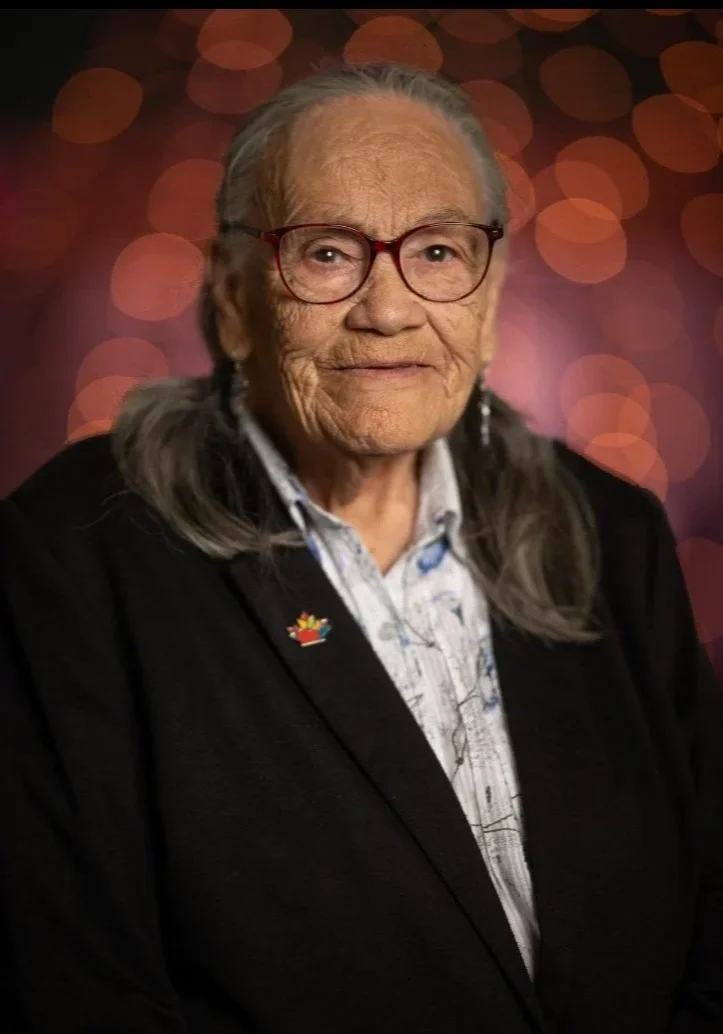
Thunderchild First Nation
Read Biography
Gladys was born to Maryanne and David Jimmy in a tent on the Thunderchild First Nation on July 30, 1939. She is 85 years old.
Her education consisted of land-based learning from her parents until she turned 7 years old when she was taken to residential school for nine years. In those 9 years she was able to return to her parents for the summer months where her learning from connection to the land continued. She has often said that she learned more in those two months she spent with her parents on the land then she learned in residential school. She returned to Thunderchild the year she was turning 16 where she continued to attend day school for one year then was sent to Industrial School in PA for one more year.
Thereafter, she worked for local farmers living with the families and employed as a nanny and cook’s helper for $2 a day. Those children she met in those years keep in touch with her to this day. She met her future husband Philip Wapass when she was 18. They started their life together and had 6 children.
In 1973, she was involved in starting the education system in Thunderchild. She began taking University classes in Saskatoon taking The Methodology of Teaching a Language which prepared her to teach Cree Language and Cultural Revitalization classes. She was the Cree teacher in Thunderchild until 1985. She became widowed in 1983. She was president of the Women’s group and was also a fully licensed bus driver. She served a 2 year term as a band councillor. In 1986, she moved to Muskeg Lake Cree Nation and taught Cree and Culture for another 12 years. She met and married Ralph Greyeyes and she remained in Muskeg until his passing. During her time in Muskeg, she and Ralph worked on developing the Muskeg Lake Cultural Camp site still operating today. In the mid 1990’s she was initiated into the Elders’ Circle through a 4-day ceremony conducted by the late Ed and Emma Okanee and late Norman and Ina Sunchild. She continued working with youth in treatment centers focusing on cultural teachings for 17 years.
In 2002 she started working with the Office of the Treaty Commissionaire (OTC) in developing Teaching Treaties in the Classroom curriculum. They developed treaty kits and travelled across Saskatchewan delivering workshops on Treaty teachings. Gladys continues to work with the OTC as a member of the Elders Advisory Council.
n 2021, she was recognized by the Canadian Teachers Federation and awarded a plaque and pin for her years of service in the teaching profession. In 2022, she received the Queen Elizabeth Platinum medal from the Government of Saskatchewan in the field of teaching.
She advocates in Education, Cultural Teachings, Mental Health Awareness and readily assists as a support person in many areas. She is known as Kohkom to all the people she has met throughout her life.
Amanda Louison
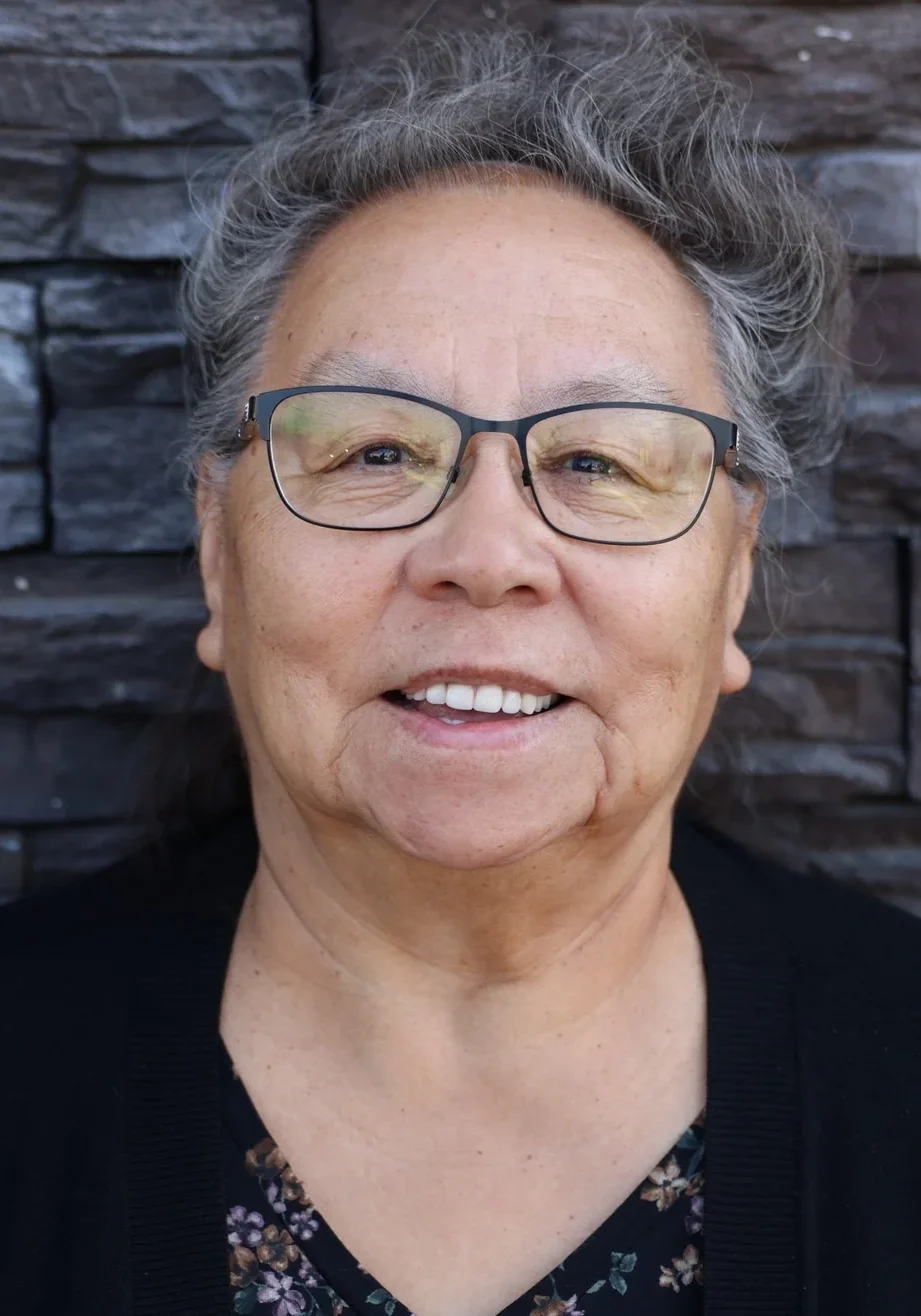
Kahkewistahow First Nation
Read Biography
My name is Amanda Louison. I am a member of the Kahkewistahaw First Nation. I have 2 adult children Fabian Louison and Alena Louison. My son and his wife Marilyn, have two sons – Lionel Joseph Pascual Louison and Theoren Troy Louison. My daughter has one son – Greyden Yee Louison. As a grandmother I adore my grandsons and they are a very important part of my life. I have lived on the Kahkewistahaw First Nation all of my married life. I lost my husband Urbin, in June 2019.
My first job started in May of 1973. Over the years I worked at Cowessess, Kahkewistahaw, Last Oak Park & Golf Course, Yorkton Tribal Council and FSIN. During this time, I had the privilege of sitting on various boards and committees. Also done one year of school bus driving for a private contractor. Plus I spent 4 years at University – 1987 to 1991, convocated with a Diploma of Associate in Administration from U of R.
I was elected Chief (first Lady) at my First Nation in 1995, this was the start of my political career until I retired on April 12, 2011. I served only one term (2yrs) as Chief, which was my choice not to run again. In my 2 year term, we brought Natural Gas and a Low Water Pressure System to our community. We received an award from FSIN for accomplishing these projects.
The other big and best accomplishment as Chief was getting our Specific Land Claim approved for negotiation. On February 27, 1997 the Indian Claims Commission held a Press Conference, this is when they officially announced that our Claim was approved for negotiation. This was the best day for Kahkewistahaw and our people. This Press Conference was televised across the country for several days and we had several Media interviews. I kept all the news articles; we made history on this day. I remained on Band Council for five terms (10years). As a member of council, I continued to be involved with the Land Claim negotiations as Team Leader. We later settled for 94.6millions dollars. I was also elected by acclamation in 2003-2004 as Yorkton Tribal Council, Tribal Chief (first Lady).
I am also a certified ISC Electoral Officer. This is not a full time job but over the years, I have done many First Nation Elections including Ratification Votes, done a First Nation Oil Gas Management Act Vote and many Tribal Council elections. Done a Land Claim Vote for 83 million dollars. This job has taken me to several First Nations in Saskatchewan and Manitoba. I am also a Commissioner for Oaths and Marriage Commissioner.
I take every opportunity I am given very seriously. As First Nation people we have to work so hard and jump through so many hoops to be successful.
We must try to work collectively to make it better for our communities. We have big populations to serve and we must learn to be accountable and transparent. Today our members are better educated, want to be involved and have a say. Our Treaty Rights are changing almost every day and we are not doing much about it. Other governments do not respect the “Intent” or do not understand or want to understand what the Treaties mean to us. We and I mean all of us need to let the governments know that we will never give up and that we will never stop talking about why our forefathers signed Treaties and what they were promised. We cannot give up for the sake of our grandchildren, their children and those unborn.
Education for our Youth is very important and it must always be a priority. We must encourage them to continue to go to school and that education or training will always lead to employment. Our Health benefits seem to be slipping away bit by bit. We all need to do what we can to preserve what we have and work hard at getting back what we have lost or get something that can replace what we have lost.
Became a SIGA board member in March 2012, this is the third time I have been on this board and honoured to represent my people of Yorkton Tribal Council. My goal was to do a good job, be accountable and making reports to the Chiefs Council. It is a privilege to hold this appointment. Since this time I became an FSIN, Senator, 2015, this was a nomination from my First Nation, to the Yorkton Tribal Council, then to FSIN. In 2020, I became a SIEF Board of Director, to present day.
I am also a Board of Director for Kahkewistahaw Economic Management Board. KEMC is responsible for developments on the First Nation lands and Urban lands that our 1907 Trustees have purchased.
Marie-Anne Daywalker Pelletier
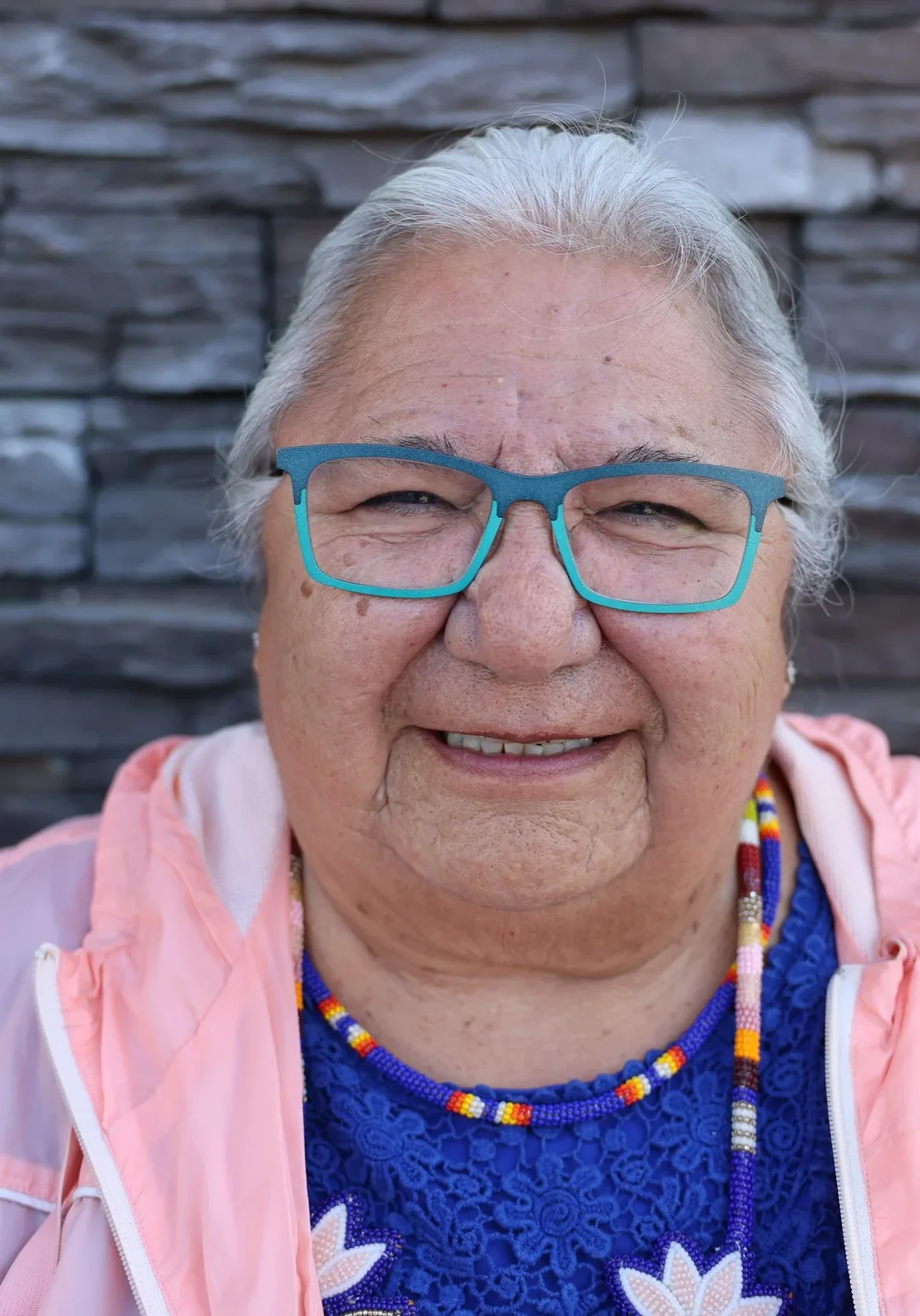
Okanese First Nation
Read Biography
Marie-anne Daywalker Pelletier was born on April 15, 1954, in Regina Saskatchewan and is a member of Okanese First Nation. Marie-anne remains to this day, the longest-standing elected chief in Canadian history, serving from 1981 to 2020. It was Marie-anne’s dedication to community that gained her recognition as a leader, with her serving many times as a volunteer before taking on the role of ‘chief;’ a profession that was rarely represented by women at the time.
The importance of childcare and family have always been guiding pillars of Marie-anne’s work. Over the course of 39 years, Marie-anne was able to lay the groundwork for her community to achieve an unprecedented decrease in child apprehensions and the establishment of The Daywalker Home Fire Family Centre: A Centre dedicated to strengthening and reconnecting families.
In recent years, Marie-anne has received recognition for her years of service: becoming a member of the Order of Canada in 2018 and being honoured with the Saskatchewan Order of Merit in 2021.
In 2020, her tenure as chief came to an end, allowing her more time to spend with family and to pursue passion projects. Today, you may catch her image on a Canada Post stamp that celebrates her as the trailblazing Indigenous leader she continues to be.
Isidore Campbell
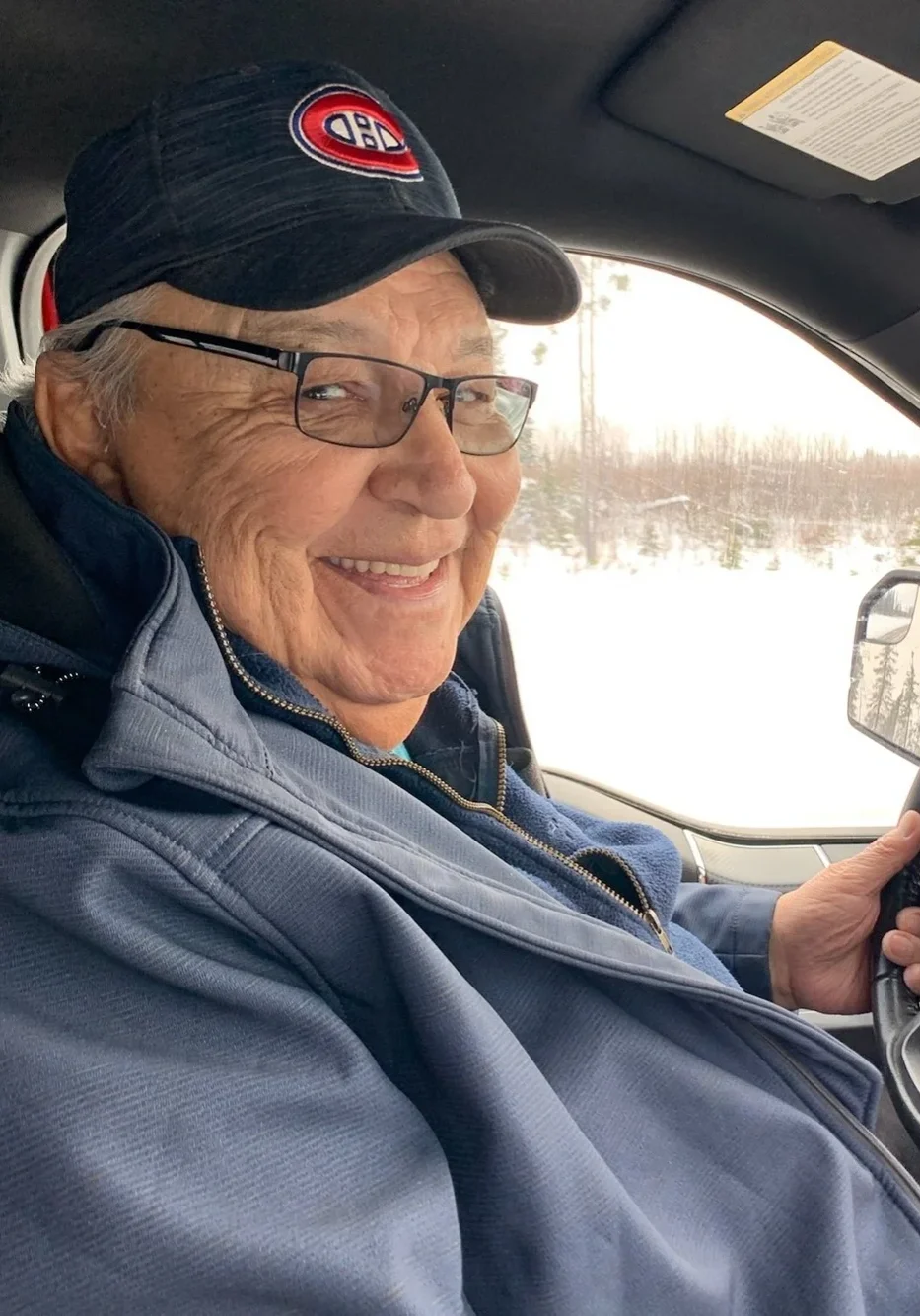
English River First Nation
Read Biography
Isidore Campbell was born and raised in Patuanak. In 1957, he was put in Residential school at Beauval. After 8 years, he did his grades 9&10 at Lebret. He began his work career with the FSIN, in 1971, as a recreational coordinator, in the Battleford district. He helped create the Saskatchewan Native bantams hockey team, that eventually went to Europe to show their talent.
He then moved onto Alberta to wander around, from job to job until 1976. He met his wife Ornella soon after that, and then after 4 children were born, they made their home at LaPlonge reserve by Beauval. In 1987, he went to alcohol treatment centre, and hasn't had a drink since. His next job as MLTC Vice Chief was held for 8 years, contributing to MLTC's very successful entry into the business world.
After politics, Isidore stayed at MLTC, working as a self-government coordinator. Isidore eventually retired, but continued to help at Treaty 10 office. It was here that former Treaty Commissioner Cuthbertson asked him if he was interested to sit with a newly formed Treaty Elders Council. He gladly accepted and continues to sit on the board.
Tom Roberts
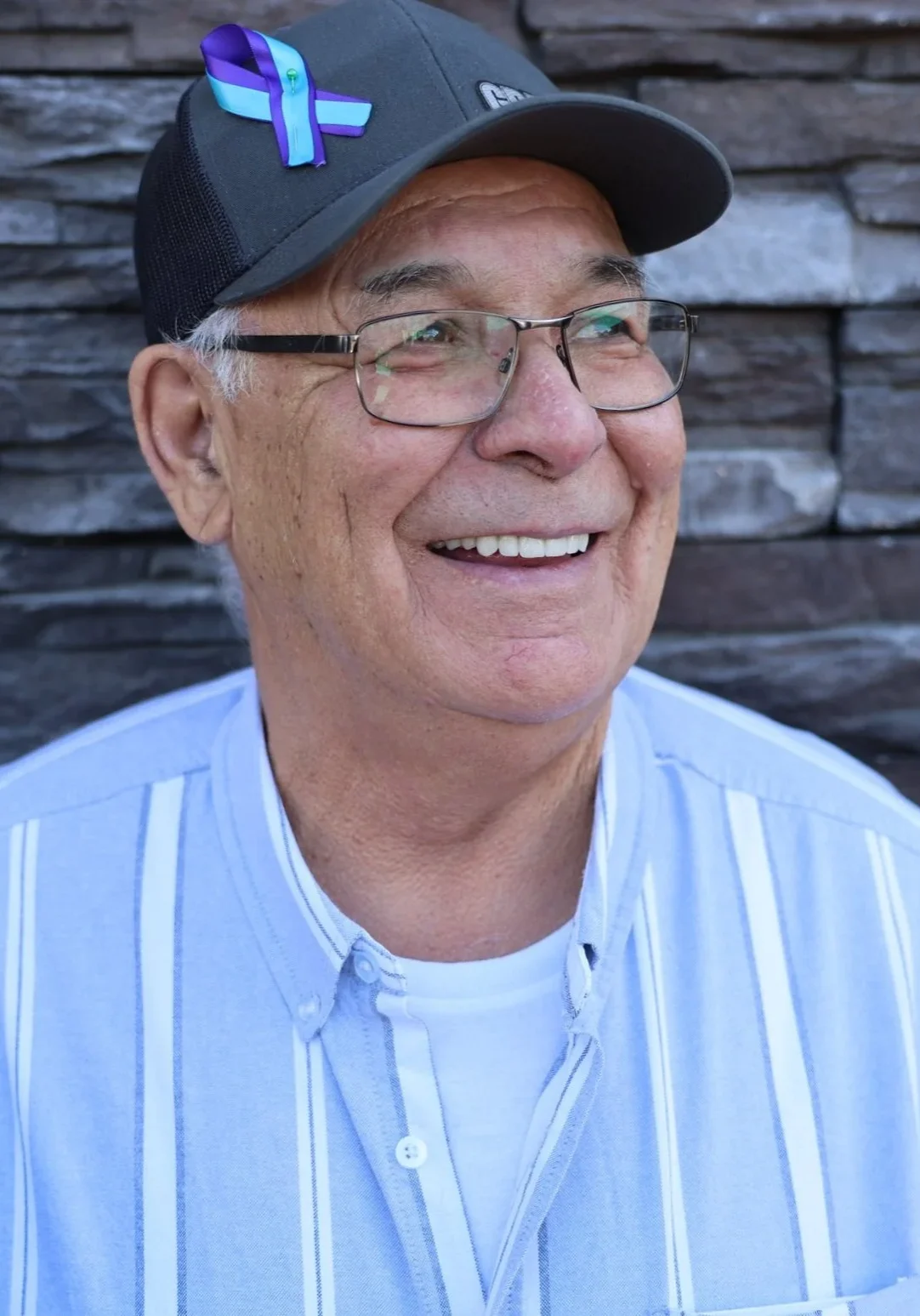
Lac La Ronge First Nation
Read Biography
Tom Roberts (born ca. 1950) is a retired Canadian radio host and journalist.
Roberts was born in Stanley Mission, Saskatchewan to a northern Cree family who made their living as trappers, fishers, and tour guides. The family's trapline was at Forbes Lake, a remote lake about 20 kilometres north of Otter Lake. Dissatisfied with trapping, Roberts left to pursue studies in La Ronge and Yorkton and in Edmonton with Albert Native Communication Society and Grant McKewan, eventually finding work as an airfreight radio operator and a Cree–English translator. This experience led to him being offered a job as a broadcast radio announcer by the Department of Northern Saskatchewan. Roberts's Cree-language broadcasts became the first indigenous-language programming in Saskatchewan.
In 1982, premier Grant Devine's government dissolved the Department and cancelled its communications program, and the following year Roberts joined CBC Radio. Roberts became the host of Keewatin Country, a one-hour news magazine broadcast weekdays at noon. He remained in this position until his retirement in 2010.
Tom was also instrumental in helping set up “Missinipi Broadcasting Corporation in the mid-eighties and still broadcasting today in Saskatchewan, an aboriginal radio station.
In 2003, Roberts was awarded the Women of the Dawn's First Nations Award for journalism.
After retirement, Tom worked with the residential school program in Saskatchewan, helping and assisting survivors of residential schools.
Tom does lectures on life-in-a-residential-school and talks to school children about intergenerational impacts of residential school experiences.
Sydney McKay
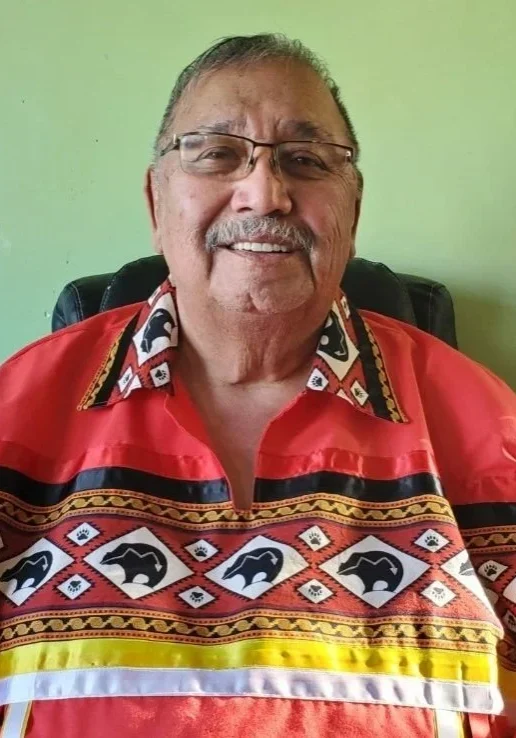
Cumberland House
Read Biography
Sydney Julien McKay was born in Cumberland House, Saskatchewan on February 9, 1950. He moved with his mother Margaret to Thompson, Manitoba September 1963, in time to start school immediately.
Not happy with the $2 allowance he received on Saturdays, he delivered newspapers which he wasn’t enthusiastic in doing. His next job was being an usher at the local theater where he earned 75 cents an hour but resulted in 12 to 15 dollars on paydays. Sydney graduated from R. D. Parker Collegiate in 1969 and was immediately offered a job with the Manitoba Metis Federation as Regional Manager of the Thompson Region. He was recruited to the Board of a new Cree Radio Program, which he named Native Communications Inc. Today he is the only living original member of NCI.
Sydney continued his education at Brandon University and, before attaining a degree, was recruited by the Federal Government Job Creation Branch. After 15 years with the Federal Government, he walked away to join The Keewatin Tribal Council. “I left the Feds because I was not climbing that ladder of Success!” The Manitoba Director General met with Sydney to offer him the position of Manager of The Pas Canada Employment Center. Sydney told him he was too late as he had made a commitment to the First Nations. It was an honor issue.
Sydney served as Vice-President of the Thompson Region for 3 years and joined the Swampy Cree Tribal Council. Within 6 months, Sydney was the Executive Director serving 8 First Nations.
Sydney joined the assembly of Manitoba Chiefs with Phil Fontaine as the Grand Chief. He moved back to The Pas to Manage the Keewatin First Nations Employment and Training for the North District.
After all these years, Sydney moved back to Saskatchewan to be with Mother who was ill and went on her final journey in January 2006. Sydney was Business Development Officer for the Nuna Group of companies and later with Hobbs and Associates. He then started his own Indigenuity Management Services with First nation as his clients. Still today he owns majority of IMS. Sydney doesn’t know if he will ever retire.
Chief Rene Chaboyer of Cumberland House Cree Nation asked Sydney to lead the Elders Committee which he proudly accepted the Honor. Sydney is also an Elder technician with the Treaty 5 self-government initiative and The Treaty Commissioner of Saskatchewan.
Creator has given me an exceptional life. Tapwe gitchi Kisay-Mantoo kinanaskomitin. Ekosi.